
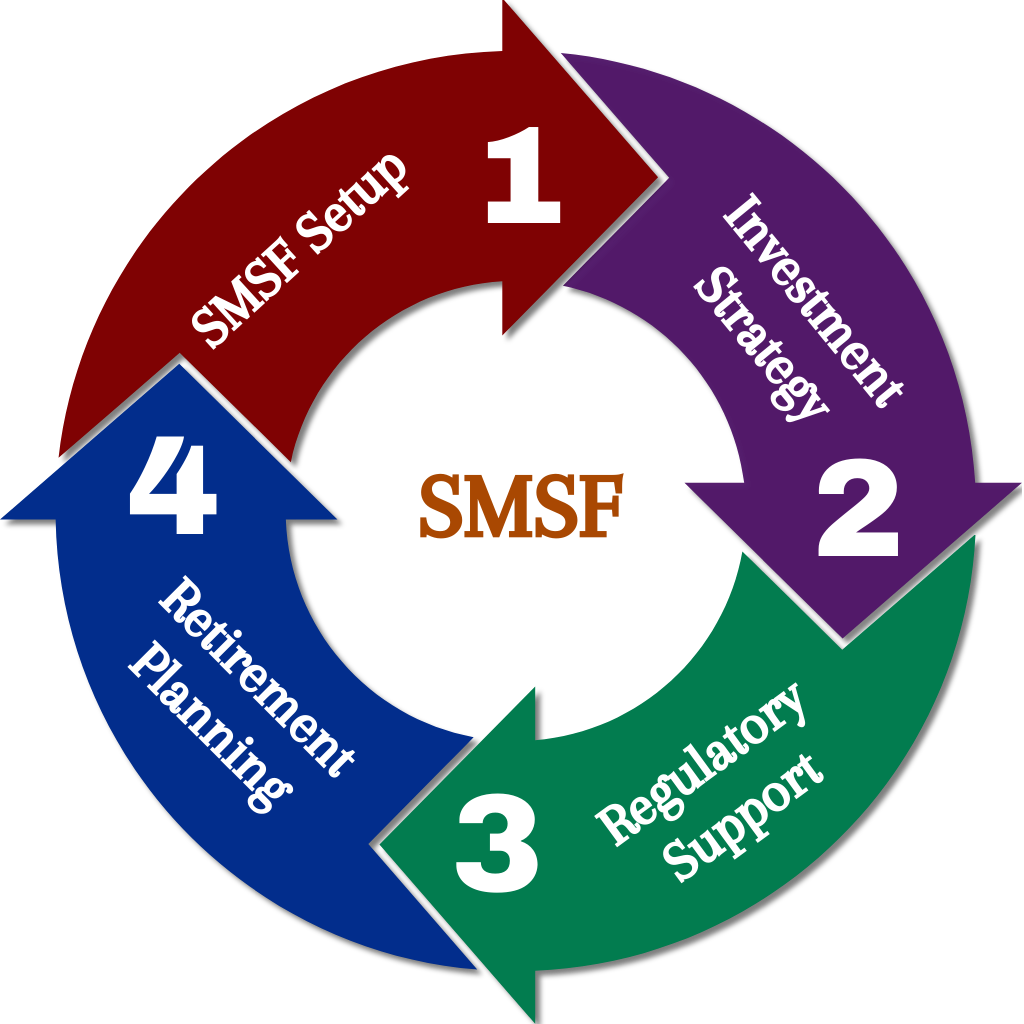





"Sigma Forex & SMSF Setup has been instrumental in managing my SMSF's investment portfolio. Their experts provided me with personalized advice and tailored investment strategies based on my risk profile. They consistently monitor and adjust my portfolio, ensuring it remains aligned with my objectives. Thanks to their expertise, my SMSF has been performing exceptionally well. I'm extremely satisfied with their services!"

"Compliance and regulatory requirements for SMSFs can be quite overwhelming. That's why I turned to Sigma Forex & SMSF Setup for assistance. They took care of all the necessary paperwork, audits, and tax returns. Their team ensured that my SMSF remained fully compliant with the ever-changing regulations. Their support and guidance have been invaluable, and I no longer have to worry about compliance issues. I highly recommend their services!"

"When it came to retirement planning and pension management within my SMSF, I knew I needed expert advice. Sigma Forex & SMSF Setup exceeded my expectations. They helped me develop a tailored retirement plan, including structuring my pension payments efficiently. Their team provided clarity on the various pension options and ensured that I made informed decisions. I am grateful for their guidance and highly recommend their services for anyone looking to maximize their retirement income."